Industrial Applications for Aliphatic Solvents
Aliphatic solvents are one of the most widely used chemical products in industrial manufacturing, yet many professionals outside the chemical industry don't give them a second thought. They show up in everything from the coatings on commercial buildings to the fluids used in oil and gas drilling operations. Their versatility makes them a go-to solution for formulators across dozens of sectors, and their performance characteristics keep them in high demand year after year.In this article, we'll walk through the most common industrial applications of aliphatic solvents, explain what sets them apart from other solvent types, and help you determine if they're the right fit for your operation.
Aliphatic Solvents, 101
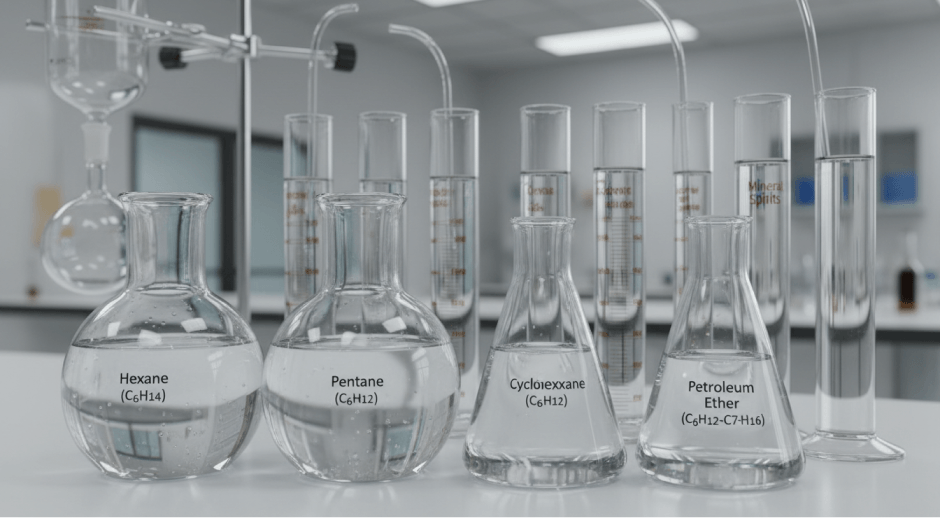
Aliphatic solvents are hydrocarbon-based chemicals derived from petroleum. They consist of straight-chain or branched-chain molecular structures, which distinguishes them from aromatic solvents that contain a benzene ring. That structural difference has a direct impact on:
-
Performance
-
Toxicity
-
How each solvent type behaves in a given application.
Predictability
In practical terms, aliphatic solvents offer predictable evaporation rates, which give formulators precise control over drying times and application behavior. These properties make them a popular choice in industries where worker safety and environmental compliance are top priorities.
Flexibility
Aliphatic solvents are available in numerous grades, each with different flash points and viscosity characteristics. That flexibility allows manufacturers to select the exact product that matches the demands of their specific process, from light, fast-evaporating grades to heavier distillates designed for high-temperature operations.
Key Industrial Uses of Aliphatic Solvents
Aliphatic solvents show up in critical applications across numerous challenging industries. Below are some of the most common uses we see across our customer base.
Paints and Coatings
The paint and coatings industry is one of the largest consumers of aliphatic solvents. Formulators use them to dissolve resins and control the viscosity of coatings during application. Because aliphatic solvents evaporate at consistent, predictable rates, they give manufacturers tight control over how a coating flows, levels, and dries on a surface.
They're especially common in architectural coatings, industrial maintenance coatings, and protective finishes where a clean, uniform result is critical. Their low odor also makes them preferable for interior applications where strong solvent smells could be a concern.
Oil and Gas Operations
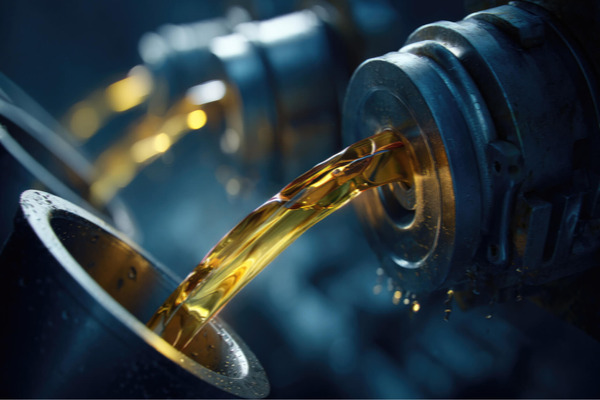
In the oil and gas sector, aliphatic solvents serve multiple functions. Operators use them as base fluids in drilling and fracking operations, where their chemical stability and low reactivity are essential. They also play a role in pipeline maintenance, acting as carrier fluids and cleaning agents that keep equipment running efficiently.
Heavier aliphatic distillates are particularly useful for downhole applications, which involve extreme temperatures and pressures. Their high flash points and thermal stability make them a reliable option in demanding field conditions.
Cleaning and Degreasing
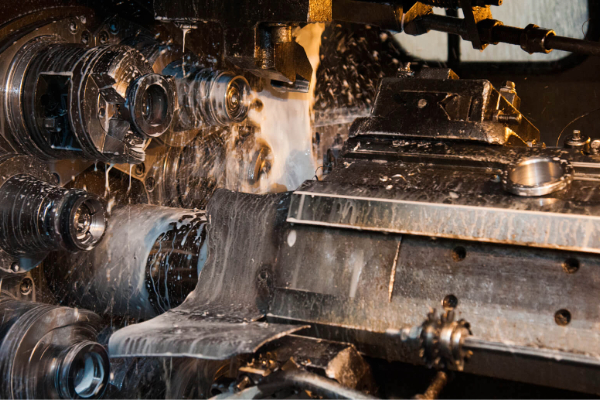
Manufacturers across numerous sectors rely on aliphatic solvents to remove grease, oil, and other residues from metal parts and industrial equipment. Their solvency power is strong enough to break down stubborn contaminants, yet their lower toxicity profile makes them a safer alternative to other agents.
This balance of effectiveness and safety has made aliphatic solvents a staple in metal fabrication, automotive manufacturing, and precision machining operations where clean surfaces are essential to product quality.
Adhesives and Sealants
Aliphatic solvents also play a significant role in adhesive and sealant formulations. They help control the viscosity of the adhesive during application and influence how quickly the bond sets. Formulators can fine-tune dry times and open times by selecting solvent grades with the appropriate evaporation characteristics.
This level of control is especially important in construction and packaging applications, where bond strength and curing speed directly affect production efficiency.
Why Industries Choose Aliphatic Solvents Over Alternatives
With so many solvent options on the market, it's worth asking why aliphatic solvents remain a preferred choice for so many industrial applications. The answer comes down to a combination of practical performance advantages that are hard to match.
Lower Toxicity
First, aliphatic solvents carry a lower toxicity profile than aromatic solvents. Because they lack the benzene ring structure found in aromatics, they pose fewer health risks to workers during handling and application. For companies operating under strict occupational safety standards, that distinction makes a real difference in day-to-day operations.
Less Odor
Odor is another factor. Aliphatic solvents produce significantly less smell than many alternative solvents, which is a major consideration for indoor applications or facilities where air quality is closely monitored. Lower odor means fewer complaints and less reliance on ventilation equipment.
More Control
From a formulation standpoint, the evaporation rates of aliphatic solvents give manufacturers a high degree of control over their processes. Formulators can select from numerous grades to dial in the exact drying behavior they need: fast evaporation for quick-turnaround production lines or slower evaporation for applications that require extended open times.
Regulatory Compatibility
Finally, regulatory compatibility continues to drive adoption. As environmental regulations tighten across industries, many companies are moving away from harsher solvent chemistries in favor of products that meet VOC limits and other compliance requirements. Aliphatic solvents frequently fit within those frameworks, making them a practical path forward for businesses that need to stay ahead of evolving standards.
The Right Aliphatic Solvent for Your Application
Not all aliphatic solvents perform the same way. The right product for a paint formulation may not be the right product for a drilling fluid, and a solvent that works well in a fast-paced packaging line might not deliver the results you need in a precision cleaning application. Selecting the correct grade requires a clear understanding of your process requirements, including flash point, evaporation rate, boiling range, and viscosity.
That's where working with an experienced supplier becomes important. At RB Products, we manufacture aliphatic solvents that meet the demands of challenging industrial applications. Our team has spent decades helping partners across the paint and coatings, oil and gas, and chemical manufacturing sectors identify the right solvent chemistry for their specific needs.
Frequently Asked Questions
How should aliphatic solvents be stored?
Aliphatic solvents are flammable and should be kept in tightly sealed containers inside fire-resistant, ventilated storage cabinets approved for flammable liquids. Keep them away from heat sources, open flames, and direct sunlight. Facilities should also segregate aliphatic solvents from incompatible chemicals, such as strong oxidizers, to prevent hazardous reactions.
Do aliphatic solvents expire?
When stored properly in sealed containers under stable conditions, aliphatic solvents have a long usable life. If you're unsure about the condition of a stored product, contact us to discuss retesting options.
Are aliphatic solvents the same as mineral spirits?
Mineral spirits fall under the broader category of aliphatic solvents, but the two terms aren't interchangeable. Mineral spirits refer to a specific medium-boiling petroleum distillate commonly used in paints and coatings. Aliphatic solvents, on the other hand, encompass a much wider family of products with varying boiling ranges, flash points, and carbon chain lengths, from light naphthas to heavy distillates.