Aliphatic vs. Aromatic Solvents: Key Differences and Uses
Choosing the wrong solvent for your application can mean poor performance, inconsistent results, or compliance headaches. Understanding the structural and functional differences between aliphatic and aromatic solvents is the first step toward selecting the right product for your formulation.
At RB Products, we manufacture aliphatic and aromatic solvents for numerous industries, from paints and coatings to oil and gas production. Here's what you need to know.
What Makes a Solvent Aromatic or Aliphatic?
The distinction between these two solvent families comes down to molecular structure.
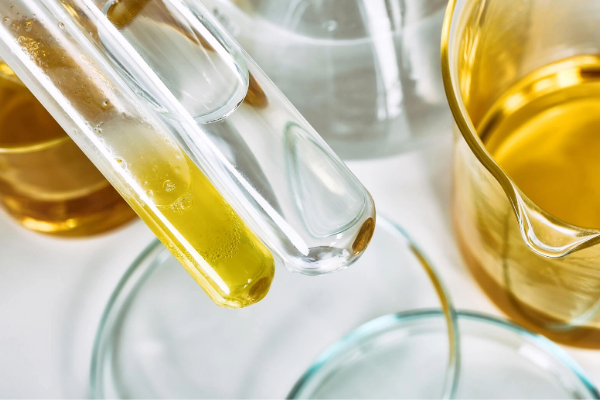
Aromatic solvents contain one or more benzene rings in their molecular structure. This ring structure gives these solvents high solvency power, as measured by the Kauri-Butanol (KB) value. RB Products' prime aromatics, including our Aromatic 100, Aromatic 104, Aromatic 150, and Aromatic 200 grades, are greater than 99% aromatics, providing formulators with consistent, high-performance results across demanding applications.
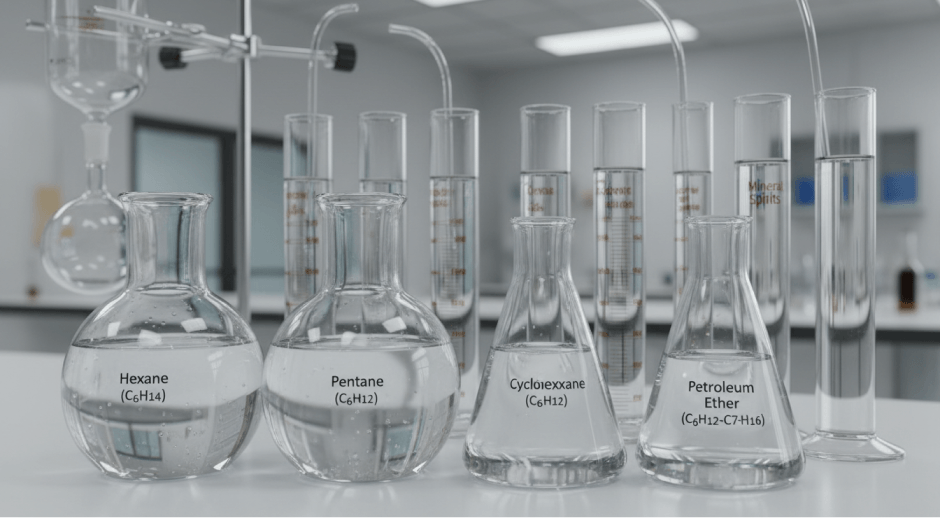
Aliphatic solvents, by contrast, contain no benzene ring. They are composed of saturated or unsaturated carbon chains (straight, branched, or cyclic) and are produced by distilling crude oil within specific boiling-point ranges.
Key Differences at a Glance
| Property | Aromatic Solvents | Aliphatic Solvents |
|---|---|---|
| Benzene ring | Yes | No |
| Solvency strength | High (high KB value) | Moderate |
| Odor | Noticeable | Low to none |
| Toxicity | Higher | Lower |
| Water solubility | Very low | Very low |
| Typical color | Clear to amber | Water white |
When to Use Aromatic Solvents
Aromatic solvents excel in applications that require aggressive solvency, the ability to dissolve resins, polymers, and other organic materials that milder solvents simply cannot break down. Common use cases include:
- Paints, Coatings, and Printing Inks: Aromatic fluids dissolve resins, control viscosity, and promote even film formation.
- Adhesives and Sealants: Strong solvency helps achieve uniform dispersion and optimal bonding strength in solvent-based systems.
- Agricultural Chemicals: Aromatic fluids serve as reliable carriers and emulsifiers in pesticide and herbicide formulations, maintaining emulsion stability for consistent performance in crop protection products.
- Industrial Cleaning and Degreasing: Aromatics remove oils, waxes, inks, and residues that aliphatic solvents cannot.
- Oil and Gas/Refining: Heavier aromatic distillates function as diluents and components in corrosion inhibitors and stimulation blends.
When to Use Aliphatic Solvents
Aliphatic solvents are among the most widely used solvents globally. Their lower toxicity profile, minimal odor, and high absorbency with organic matter make them the preferred choice for applications where human exposure is a concern or where a cleaner end product is required. Key applications include:
- Aerosols: Low odor and low aromatic content make aliphatic solvents ideal for consumer and industrial aerosol products.
- Metalworking Fluids: Their stability and low toxicity make them a practical fit for cutting and forming fluids.
- Mining and Water Treatment: Aliphatic solvents perform effectively as extraction solvents and process fluids in these regulated environments.
- Cosmetics and Personal Care: Ultra-low aromatic content is essential for skin-contact formulations and emollients.
Which Solvent Is Right for Your Application?
The answer depends on the solvency strength your formulation requires, the regulatory environment in which you operate, and the end-use sensitivity of your product. Aromatic solvents offer superior dissolving power for heavy-duty industrial formulations. Aliphatic solvents provide a lower-toxicity, lower-odor option for applications where those properties are a priority.
Each solvent type has a place in modern industrial formulations, and RB Products manufactures both to rigorous quality standards.
Frequently Asked Questions
Can aromatic and aliphatic solvents be blended together?
Yes, aromatic and aliphatic solvents can be blended to achieve a target solvency level, evaporation rate, or flash point that neither type would reach on its own. Custom blending is a common practice in coatings and adhesive formulation. RB Products offers toll processing and custom blending services for customers with specific performance requirements.
Are aliphatic solvents considered safer to store than aromatic solvents?
Both solvent types are flammable and require proper storage practices, including adequate ventilation and separation from ignition sources. Aliphatic solvents generally have a lower toxicity profile than aromatics, but all hydrocarbon solvents should be stored and handled by trained professionals following applicable safety regulations and guidelines.
What role does the Kauri-Butanol (KB) value play in solvent selection?
The KB value is a standard measure of a solvent's ability to dissolve other materials. Higher KB values indicate stronger solvency. Aromatic solvents typically have higher KB values than aliphatic solvents, which is why they're favored in formulations that require aggressive dissolution of resins or polymers. RB Products uses KB value as a key quality metric for our aromatic solvent line.